Blog

  • The Ultimate Guide to Riding Route 39 in Virginia: The Forgotten Byway

    The Ultimate Guide to Riding Route 39 in Virginia: The Forgotten Byway

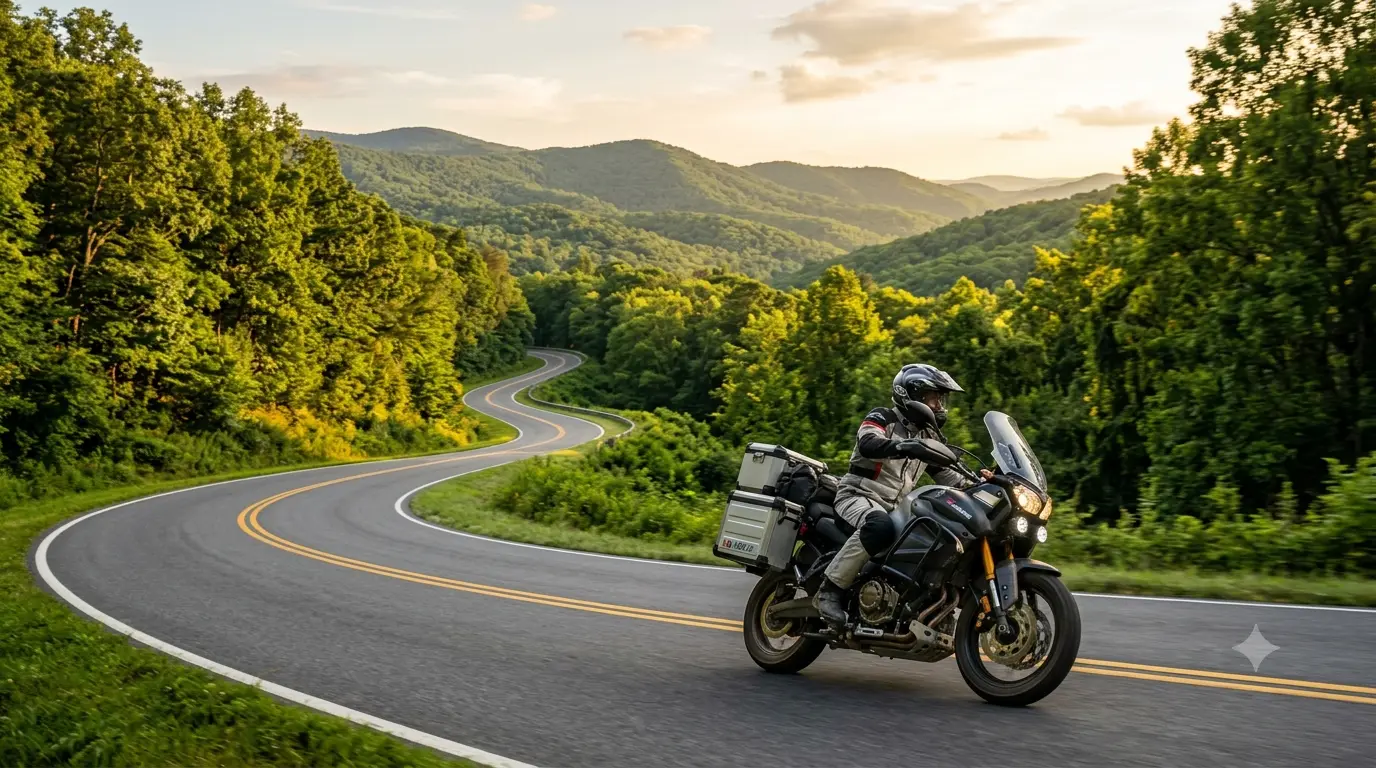
    For motorcycle enthusiasts looking to escape the crowded lanes of Skyline Drive or the heavy weekend traffic of the Blue Ridge Parkway, Virginia holds a hidden gem that offers pure asphalt bliss. Known as the Appalachian Waters Scenic Byway, Virginia State Route 39 is one of the most underrated, thrilling, and scenic motorcycle roads in the eastern United States.

    Spanning from Lexington, Virginia, all the way to the West Virginia border, Route 39 delivers miles of sweepers, dramatic river canyons, and tight mountain switchbacks. This is the ultimate rider’s guide to conquering Route 39, ensuring your next Virginia motorcycle journey is safe, exhilarating, and unforgettable.

    Why Route 39 Should Be on Every Rider’s Bucket List

    Unlike other famous Virginia motorcycle routes that impose rigid speed limits and attract heavy camper traffic, Route 39 offers a more technical and liberating riding experience.

    The road closely follows the path of the Maury River and cuts straight through the heart of the George Washington National Forest. Riders can expect a dynamic mix of terrain, changing from peaceful riverside cruising to aggressive mountain climbing within a matter of minutes. The asphalt quality remains remarkably high, providing excellent tire grip through the sharpest banking corners.

    The Perfect Route 39 Motorcycle Itinerary

    To get the absolute most out of this scenic byway, we recommend starting your journey in the historic town of Lexington and heading west toward Goshen. Here are the crucial stages of the ride that you need to prepare for:

    1. The Goshen Pass (The Crown Jewel)

    Shortly after leaving Lexington, you will enter Goshen Pass. This three-mile absolute marvel of nature is a water-carved gorge where Route 39 hugs massive grey boulders and rushing mountain rapids. The turns here are tight, demanding your full concentration as you lean into blind curves shaded by dense mountain laurel and rhododendrons.

    There are several pull-offs along the river where you can park, stretch your legs, and take cinematic photos of your motorcycle against the canyon backdrop.

    2. The Mountain Climb to Warm Springs

    After exiting the pass and passing through the quiet town of Goshen, Route 39 begins its steep, dramatic ascent over Warm Springs Mountain. This section tests your throttle control and leaning capabilities with several sharp switchbacks. As you reach the summit, the forest clears to reveal breathtaking panoramic views of the Cowpasture River Valley below.

    3. The Descent into Bath County

    Dropping down into Hot Springs and Warm Springs, the road smooths out into rolling hills and fast, flowing sweepers. This area is famous for its historic natural mineral springs and luxury resorts, making it the perfect mid-ride destination to grab lunch, refuel your bike, and chat with fellow local riders.

    Essential Virginia Riding Laws & Safety Tips for Route 39

    Riding in the Appalachian mountains requires respect for both the road and local regulations. Keep these safety tips in mind to ensure a smooth trip:

    Virginia Helmet Laws: Virginia strictly enforces a universal helmet law. Both riders and passengers are legally required to wear a DOT-approved helmet at all times while the motorcycle is in motion.

    Watch for Wildlife: Because Route 39 cuts deeply through national forest land, white-tailed deer and wild turkeys are incredibly common, especially during the early morning and dusk hours. Keep your eyes scanning the woodline.

    Cell Service Availability: Due to the deep mountain valleys and remote canyons, cellular service can be highly unreliable or completely non-existent along certain stretches of Goshen Pass. Always download your route map offline before heading out.

    Gear Recommendations for the Appalachian Waters Byway

    Because elevation changes rapidly along Route 39, temperatures can drop significantly as you climb Warm Springs Mountain.

    We highly recommend wearing a versatile, ventilated riding jacket with a removable thermal liner. A clear visor or high-quality polarized sunglasses are crucial, as the heavy contrast between bright mountain sunlight and deep, shaded forest canopies can momentarily blind your vision through tight corners.

    Final Thoughts: Ready to Ride?

    Route 39 represents the absolute best of Virginia motorcycle touring: uncrowded roads, pristine asphalt, and raw, untouched mountain beauty. Whether you are looking for a weekend solo challenge or a scenic group cruise, the Appalachian Waters Scenic Byway delivers an unmatched experience.

    Pack your gear, double-check your tire pressure, and head out to experience Virginia’s finest forgotten byway.


  • Motorcycle Pre Ride Inspection Checklist

    Motorcycle Pre Ride Inspection Checklist

    Motorcycle Pre Ride Inspection ChecklistThere is a distinct ritual that separates casual riders from true motorcyclists.

    It happens in the quiet moments before the engine roars to life, while the garage is still still. It is the practice of looking closely at the machine.

    A motorcycle is a beautifully engineered collection of moving parts operating under intense stress and speed.

    Ignoring its condition before hitting the open highway isn’t just oversight—it’s a dangerous gamble.

    Developing a consistent motorcycle pre ride inspection checklist ensures that minor mechanical quirks are caught in the driveway, rather than transforming into catastrophic failures mid-corner.

    The Core Steps of Pre-Flight SafetyYou do not need to be a certified mechanic to perform a highly effective pre-ride safety scan.

    By dividing your inspection into a few logical zones, you can verify your bike’s roadworthiness in less than five minutes.

    Begin with your tires and wheels.

    Check for correct air pressure using a reliable gauge, and look closely for embedded nails, gravel, or sidewall cracks. Next, test your controls; ensure the throttle snaps back smoothly when released, and verify that both the front lever and rear brake pedal offer firm, consistent resistance. From there, move your eyes to the electrical system.

    Turn on the ignition and cycle through your high beams, low beams, turn signals, and brake lights. A burned-out bulb dramatically reduces your visibility to car drivers.

    Finally, look beneath the engine block for fresh puddles of oil or coolant, and check your fluid reservoirs to ensure your engine oil and brake fluids are at optimal operating levels.

    The Psychological Edge of a Safe BikeBeyond the obvious physical protection, walking through a quick safety checklist provides an immense psychological benefit.

    When you know for a absolute fact that your brake pads are thick, your chain is correctly tensioned, and your fluids are topped off, your mind clears.

    You stop worrying about the mechanics of the machine and start focusing entirely on the environment around you.

    This heightened state of situational awareness is what ultimately keeps a rider safe when navigating heavy traffic or challenging mountain passes.

    Conclusion:

    Make Safety a HabitYour motorcycle pre ride inspection checklist should become as natural as putting on your helmet. It is a fundamental habit that honors the machine and respects the unpredictable nature of the road.

    Invest those few minutes before every launch, take care of your ride, and enjoy the pure, unadulterated freedom of a flawless journey.

    Inspect the machine.

    Trust the build.

    Ride safe.

    [Disclaimer:this article is provided for informational, inspirational, and educational purposes only. A pre-ride inspection is a preventative safety routine and does not replace regular professional mechanical maintenance or scheduled factory servicing. Always consult your specific motorcycle manufacturer owner’s manual for exact fluid specifications, torque values, and recommended tire pressures before making adjustments.]

    References & Sources

    * Motorcycle Safety Foundation (MSF) — T-CLOCS Pre-Ride Inspection Checklist Guide — msf-usa.org

    * American Motorcyclist Association (AMA) — Essential Motorcycle Maintenance Habits — americanmotorcyclist.com

    * National Highway Traffic Safety Administration (NHTSA) — Preventative Vehicle Safety and Inspection Reports — nhtsa.gov

  • Motorcycle Wet Weather Riding: Master the Rain Safely

    Motorcycle Wet Weather Riding: Master the Rain Safely

    Motorcycle Wet Weather RidingThere is an old saying among seasoned motorcyclists: “There is no such thing as bad weather, only bad gear and unprepared minds.” Yet, when the clouds darken and the first heavy drops of rain hit your visor, even the most confident rider feels a sudden spike of adrenaline.

    Riding a motorcycle in the rain changes the rules of engagement instantly.

    The road beneath your tires, once a predictable partner, becomes a dynamic hazard.

    Mastering wet weather riding is not about fearing the rain; it is about adjusting your technique and respecting the physics of reduced traction.

    The Art of Smooth Inputs

    The golden rule of navigating wet asphalt is absolute smoothness.

    Any sudden change in direction, hard braking, or aggressive throttle input can break the fragile bond between your tires and the slippery road.

    When the road is wet, imagine you are riding on a sheet of glass.

    Apply your brakes progressively, using a gentle squeeze rather than a sharp pull.

    Smoothly roll onto the throttle when exiting turns, and keep your body relaxed.

    Tension in your arms transfers directly to the handlebars, making the motorcycle feel unstable. Additionally, be highly selective about your path.

    The first ten minutes of a rainstorm are the most dangerous, as oil and diesel fuel lift to the surface of the asphalt.

    Avoid painted road markings, metal manhole covers, and the oily center of the lane, as these areas transform into ice-like surfaces when wet.

    Visibility and Defending Your Space

    Seeing and being seen are your primary defenses in a storm.

    Rain drastically reduces the visibility of car drivers, who are already distracted by fogged windows and wiping blades.

    To stay safe, wear high-visibility gear or add reflective elements to your jacket.

    Keep your headlight clean, and leave a massive safety gap between you and the vehicle ahead—at least double your usual stopping distance.

    Inside your helmet, prevent shield fogging by cracked open your visor slightly or using a Pinlock anti-fog insert.

    Clear vision is your best tool for anticipating deep puddles that could cause hydroplaning.

    Conclusion:

    Embrace the Calm of the StormMotorcycle wet weather riding doesn’t have to be a stressful ordeal. With the right mindset, smooth inputs, and quality gear, riding through a gentle rain can be a peaceful, almost meditative experience. Slow down, enjoy the rhythm of the weather, and arrive safely at your destination.

    Respect the physics.

    Ride smooth.

    Embrace the elements.

    { Disclaimer: This article is provided for informational, inspirational, and educational purposes only. Riding in severe weather conditions like heavy storms, high winds, or freezing rain carries extreme risks. Always assess local weather forecasts before riding, ensure your motorcycle tires have adequate tread depth, and do not hesitate to pull over to a safe shelter if visibility or traction becomes severely compromised.}

    References & Sources

    * Motorcycle Safety Foundation (MSF) — Riding in Challenging Wind and Rain Conditions — msf-usa.org

    * American Motorcyclist Association (AMA) — Traction Management on Wet Asphalt — americanmotorcyclist.com

    * Federal Highway Administration — Weather-Related Road Crash Statistics and Safety — fhwa.dot.gov

  • Motorcycle Riding Gear Essentials: Armor for the Asphalt

    Motorcycle Riding Gear Essentials: Armor for the Asphalt

    Motorcycle Riding Gear Essentials

    Every seasoned rider remembers their first real wake-up call on the road. It usually isn’t a major accident, but a sudden close call—a loose patch of gravel in a sharp turn, or a sudden gust of wind that tests your balance. In those split seconds, you realize that the only thing protecting you from the brutal reality of the asphalt is what you are wearing.

    Investing in premium motorcycle riding gear essentials isn’t about looking intimidating; it is a literal insurance policy for your skin and bones.

    The Anatomy of Modern Protection

    Modern safety apparel has evolved far beyond heavy, stiff leather jackets.

    Today, advanced fabrics combine military-grade abrasion resistance with lightweight, breathable comfort. Building a flawless protective profile requires a complete system that shields your body from the helmet down to your boots.It all starts with a premium full-face helmet, designed to offer total cranial and jaw defense with certified impact stamps.

    Below the neck, an armored textile or reinforced leather jacket steps in to protect your spine, shoulders, and elbows.

    Your hands require tactical gloves fitted with knuckle shields and palm sliders, while your feet stay anchored in heavy-duty riding boots equipped with reinforced steel shanks to prevent ankle crush injuries.

    Choosing Armor Over Fashion

    When shopping for gear, prioritize impact-absorbing armor inserts certified by European standards (CE Level 1 or Level 2).

    These pads remain soft and flexible during normal riding conditions but instantly harden upon impact to disperse energy away from your joints.

    Additionally, never underestimate the power of wind and weather protection.

    A rider who is shivering from freezing mountain air or overheating under a baking summer sun loses concentration.

    High-quality gear regulates your body temperature, allowing you to focus entirely on the traffic dynamics around you.

    Conclusion:

    Dress for the Slide, Not the RideAt the end of the day, motorcycle riding gear essentials are an extension of your machine’s chassis. Skipping gear because of a short commute or warm weather is a gamble where the asphalt always wins.

    Equip yourself properly, respect the environment, and enjoy the pure freedom of the ride knowing you are fully prepared for any scenario.

    Respect the physics.

    Pack the armor.

    Ride prepared.

    {Disclaimer: This article is provided for informational, inspirational, and educational purposes only. Safety standards, fitments, and regional legal helmet requirements vary widely across global jurisdictions. Always select safety gear that matches your specific riding style, verify official manufacturing safety stamps, and ensure a snug, correct physical fit before operating any two-wheeled vehicle.}

    References & Sources

    * Motorcycle Safety Foundation (MSF) — Personal Protective Equipment Guide — msf-usa.org

    * American Motorcyclist Association (AMA) — Street Riding Gear Safety Analysis — americanmotorcyclist.com

    * National Highway Traffic Safety Administration (NHTSA) — Helmet Efficacy Studies — nhtsa.gov

  • Motorcycle Road Trip Freedom: The Ultimate Escape Guide

    Motorcycle Road Trip Freedom: The Ultimate Escape Guide

    Motorcycle Road Trip FreedomThe modern world is loud, digital, and hyper-connected. Inside the steel cage of a traditional automobile, you are merely a passive observer watching the scenery pass by through a pane of glass. But when you strap on a helmet and swing your leg over a motorcycle, the relationship with the environment changes completely. You don’t just travel through the landscape; you become an active, breathing part of it.

    Chasing the Golden HorizonEvery rider understands the exact moment the magic happens. It is that precise second when the city skyline fades in your rearview mirrors, and the traffic lights give way to endless stretches of open asphalt.

    Suddenly, you are hyper-aware of the world.

    You feel the sudden drop in temperature as you sweep down into a shaded mountain valley.

    You smell the crisp pine trees, the damp earth after a light rain, and the warm air rising from summer fields.

    On a motorcycle, speed isn’t a number on a digital dashboard—it is a physical sensation of wind against your chest and the rhythmic hum of the engine vibrating through your soul.

    The Philosophy of the Open RoadThere is a unique therapeutic clarity that comes with navigating a winding coastal highway or a historic mountain pass.

    The endless digital notifications and daily stresses disappear, replaced by a forced, beautiful mindfulness.

    Your entire universe shrinks down to the next turn, the perfect lean angle, and the unfolding horizon ahead. It is a rare form of meditation where the destination becomes completely irrelevant, and the simple act of moving forward becomes the entire purpose.

    Conclusion:

    Answer the Call of the AsphaltMotorcycle road trip freedom is not about checking miles off a map; it is about reclaiming your time and experiencing the world with unfiltered intensity.

    The open road is waiting, the weather is perfect, and your machine is ready.

    Pack your essentials, leave the highway maps behind, and go discover the therapy that can only be found on two wheels.

    Respect the physics.

    Embrace the journey.

    Ride prepared.

    (Disclaimer: This article is provided for informational, inspirational, and educational purposes only. Road conditions, regional weather patterns, and touring safety requirements vary significantly across different travel destinations. Always inspect your motorcycle thoroughly before initiating a long-distance road trip, ride within your personal skill boundaries, and wear full protective riding gear.)

    References & Sources

    * Motorcycle Safety Foundation (MSF) — Guide to Safe Group and Solo Touring — msf-usa.org

    * American Motorcyclist Association (AMA) — Premier Scenic Riding Routes Doctrine — americanmotorcyclist.com

    * Travel and Tourism Research Association — The Psychological Benefits of Adventure Travel — ttra.com

  • Motorcycle Suspension Tuning: The Smooth Ride Blueprint

    Motorcycle Suspension Tuning: The Smooth Ride Blueprint

    Motorcycle Suspension TuningA poorly adjusted suspension turns every pothole into a spine-shattering impact.

    Tuning your chassis completely transforms how your bike behaves in corners.

    The Story of a Harsh RideImagine blasting down your favorite backroad, tilting into a perfect apex, and suddenly feeling the entire chassis wobble uncontrollably.

    Many riders blame their tires or the asphalt, but the real culprit is usually a mismatched factory suspension setup.

    Your motorcycle left the assembly line calibrated for an “average” rider weight. If you carry luggage, commute in the city, or weigh differently, that default setting works against you.

    Understanding the core physics of your suspension is the ultimate key to unlocking a plush, predictable ride.

    Simplifying the MechanicsYou do not need a mechanical engineering degree to tune your motorcycle suspension.

    The entire system relies on balancing three core adjustments to match your specific riding profile:

    * Preload (Sag): Initial spring height based on rider weight.

    (Symptom: Bike sags too low or rides too high).

    * Compression: How fast the suspension collapses over bumps. (Symptom: Stiff, harsh spikes or excessive front-end diving).

    * Rebound: How fast the suspension returns to its normal state. (Symptom: A bouncy, pogo-stick feeling after hitting a dip).

    Finding Balance on the AsphaltStart by adjusting your rear preload until your motorcycle sags roughly 30mm to 35mm when you are sitting on it in full riding gear. If the front end dives aggressively every time you grab the front brake lever, stiffen the front compression damping slightly.

    Conversely, if the rear tire feels loose and chatters across small ripples in the road, back off the compression to let the spring absorb the terrain. Small, incremental changes yield massive improvements.

    Conclusion:

    Total Chassis HarmonySuspension tuning is a continuous dialogue between the rubber, the metal, and your personal riding style. Spending a weekend adjusting these parameters eliminates front-end vagueness and restores total control over every mile of asphalt.

    Respect the physics.

    Tune the chassis.

    Ride prepared.

    (Disclaimer: This article is provided for informational and educational purposes only. Suspension components, adjustability features, and factory torque specifications vary radically across cruiser, sport, and adventure motorcycles. Always consult your motorcycle’s official owner manual before altering factory settings, and perform initial test rides at low, safe speeds to evaluate handling changes)

    References & Sources

    * Motorcycle Safety Foundation (MSF) — msf-usa.org

    * American Motorcyclist Association (AMA) — americanmotorcyclist.com

    * Society of Automotive Engineers (SAE) — sae.org